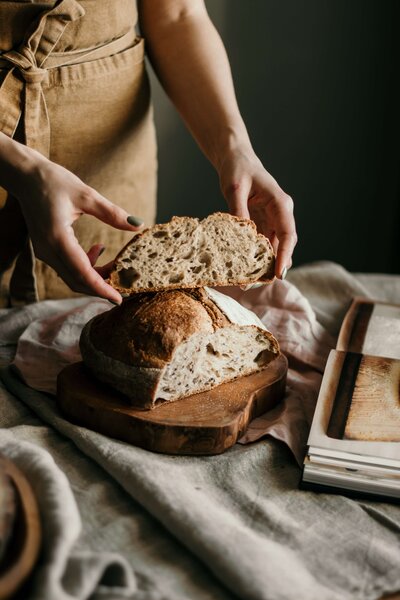

Teaching Kids the Art of Talking to People
Summer is one of the best times to teach kids something that doesn’t come from a lesson plan or a screen.
How to talk to people.
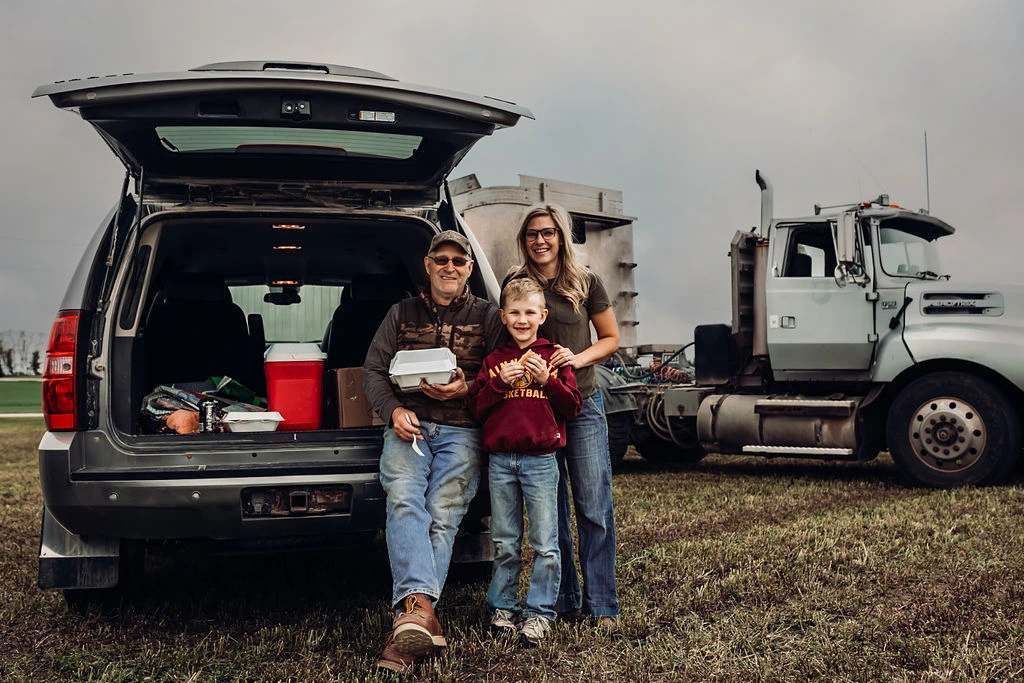
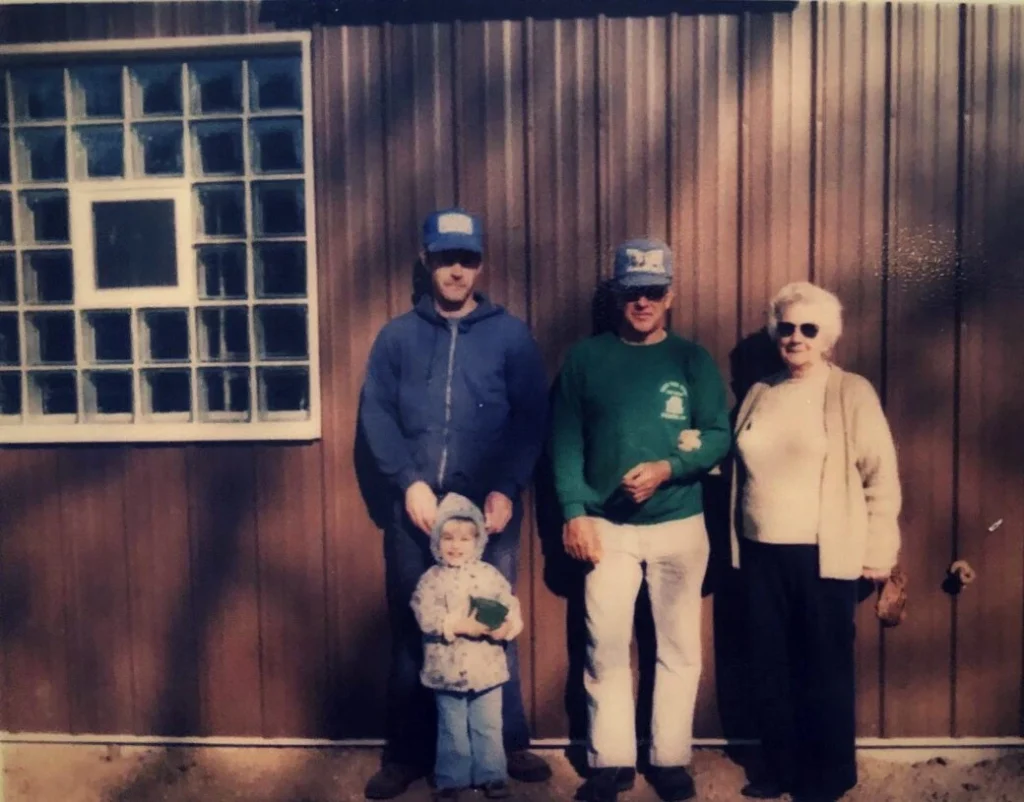
My sister and I were just having this conversation and it quickly became a goal for this summer with our own kids. When we were growing up, we followed my dad everywhere. Into the bank. The feed mill. Out to the barn when the veterinarian came. Alongside the hoof trimmer while he worked cattle. Sitting quietly when the seed salesman stopped in. County board meetings. Equipment deals. Conversations with employees. Neighbors dropping by.
Sometimes I went along just because I got to be with him. He’d let me have a sip of his Pepsi, or I’d get to pick out a green sucker at the mill for me and my siblings. Small things, but I remember them.
It wasn’t just where he went that stuck with me—it was how he moved through it all.
He listened first. He spoke plainly. He didn’t shift depending on who was standing in front of him. Banker or hired hand, it didn’t matter. There was a steadiness to him.
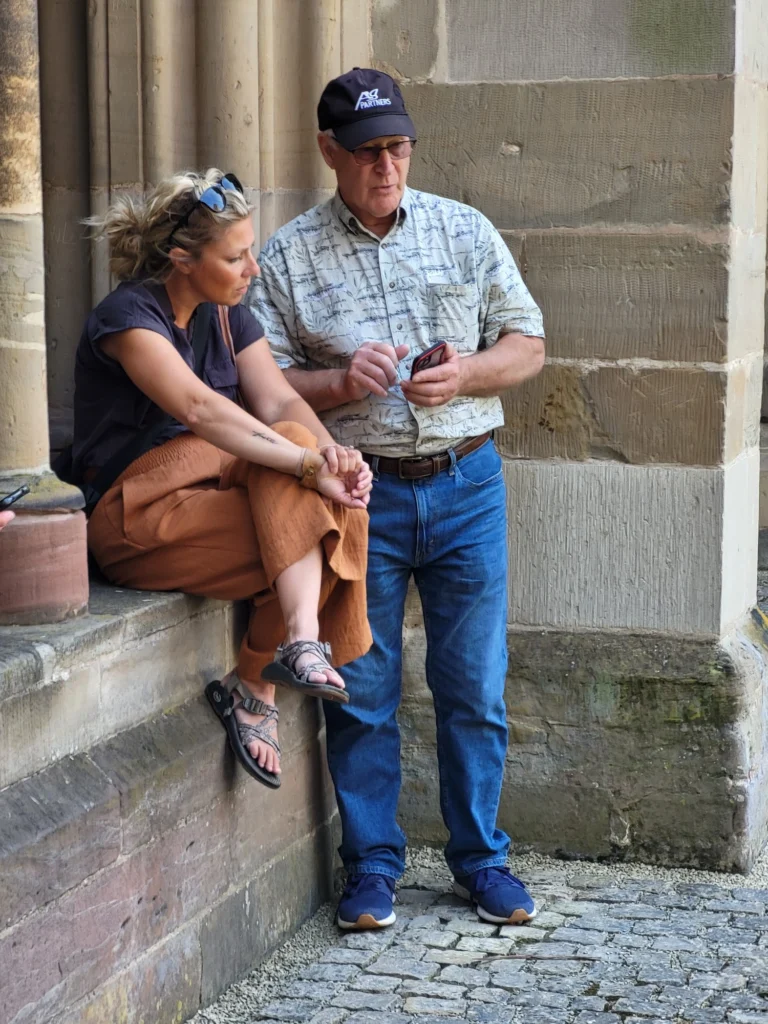
I also noticed how other people talked to him, and how he handled different kinds of conversations. Most were ordinary, but sometimes someone would come in full of themselves, or sharp in a way that didn’t need to be met back. I watched how he didn’t stay in those moments longer than necessary. He stayed respectful, but he didn’t linger. A nod, a “catch ya later,” and he’d move on. No drama. No matching energy. Just knowing when to step away.
My mom showed me something quieter, but just as steady. At work, at the grocery store, with friends from church, or people she didn’t know well, she was the same. She was just pleasant with people. That was how she talked.
We also learned how to take compliments and criticism by watching our parents.
When someone said something kind, they didn’t make it awkward or brush it off. A simple “thank you,” and that was it.
And when criticism came—fair or not—they didn’t fall apart or turn it into something bigger than it needed to be. They listened, responded if needed, and let the rest go.
Neither of our parents ever sat us kids down for a formal lesson on communication. They taught by example.
And as a kid, I was watching more than anyone probably realized.
The funny thing is, none of it felt like learning at the time.
We were just tagging along and secretly soaking it all up.
A sip of Pepsi in the pickup.
A green sucker from the feed mill.
Standing nearby while grown-ups talked.
And somewhere in all those ordinary moments, I learned how to talk to people too.
Maybe that’s the real lesson.
Not that we need to formally teach our kids communication.
Maybe we just need to bring them along. Invite them along. (Heck, bribe them with a green sucker at the mill, if you have too) and MAKE them to come along.
Looking back, these are the kinds of things we were learning without realizing we were learning them.
There’s actually something scientists talk about called mirror neurons—how we naturally learn by observing other people. Especially when we’re young, we don’t just hear what people say. We absorb how they act, how they respond, how they carry themselves.
But at the time, we didn’t have a name for any of that.
Nobody was teaching a class.
Nobody handed us a list of social skills to work on.
But somewhere along the way, we learned how to greet people, how to carry on a conversation, how to thank someone, how to disagree, and how to leave a conversation when it was time to go.
Ask questions back.
One thing I noticed growing up was that good conversations rarely revolved around one person. My dad had a way of asking people about themselves. Their family. Their work. Their plans. Their opinion.
He understood something that took me years to appreciate: people enjoy being around someone who is genuinely interested in them.
A conversation isn’t meant to feel like an interview.
If someone asks about your summer, ask about theirs. If they ask about your animals, ask about theirs. If they tell you they just got back from a trip, ask where they went.
Curiosity is a skill.
And like most skills, it gets better with practice.
Say hello.
Look people in the eye.
Use their name.
Don’t interrupt.
Say thank you—and mean it.
Ask questions back.
Learn to be curious about people.
Know when to stay in a conversation, and when to leave it alone.
Take a compliment without deflecting it.
Take criticism without letting it define you.
And above all else—treat people the same, no matter who they are or what they can do for you.
Banker or hired hand.
Neighbor or stranger.
The person signing the check or the person sweeping the floor.
Same respect. Same kindness. Every time.
The truth is, I don’t remember every conversation my parents had.
I don’t remember every county board meeting, every stop at the bank, or every visit from the veterinarian.
What I do remember is the feeling of tagging along.
Pin for Later
More thoughts from the farm
- Hosting a Meaningful Summertime Gathering
- Planning and Executing a Family Vacation
- Slowing down Summer

Affiliate Disclosure & Content Disclaimer
This post may contain affiliate links from a paid sponsor, Amazon or other program. When you use these links to make a purchase I earn a small commission at no extra cost to you. This allows me to continue creating the content that you love. The content in this article is created for information only and based on my research and/or opinion.
Emily T.



DAILY INSPIRATION ON THE GRAM @hearty.sol
it's hip to be square!
View comments
+ Leave a comment