
After Ten Years, I’m Rethinking My Cut Flower Garden
I cleaned out the cut flower garden this weekend.
All of it.
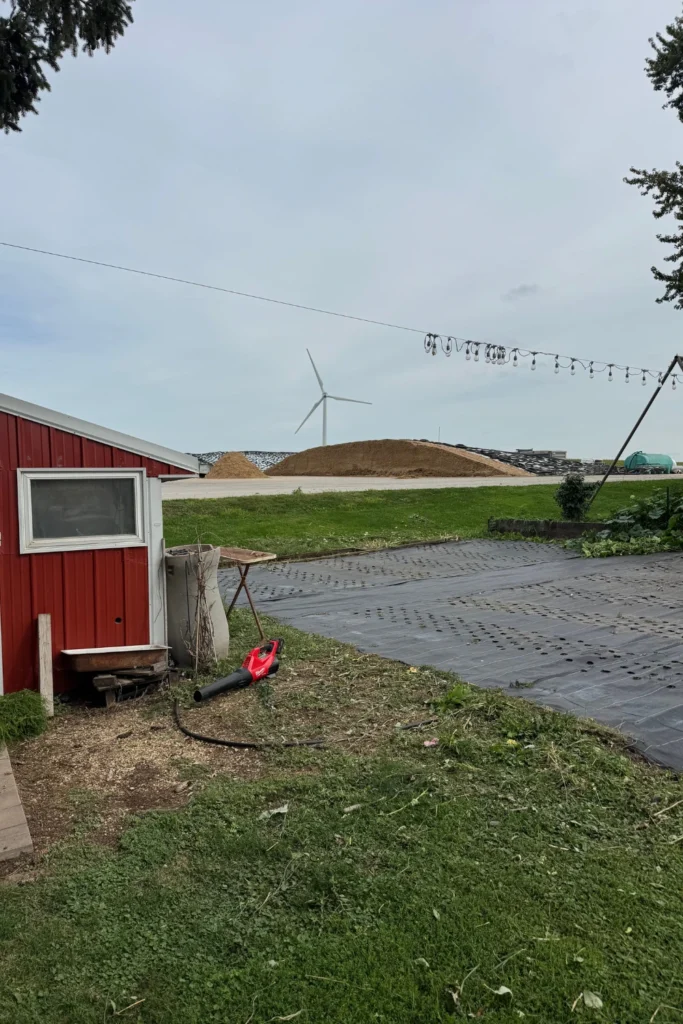
It might seem a little early to call it quits when September still has plenty of flowers to offer, but I needed to see the garden without anything growing in it. I needed to see the dirt, the paths, the shape of the beds and, honestly, the bones of the whole thing.
I needed a blank slate.
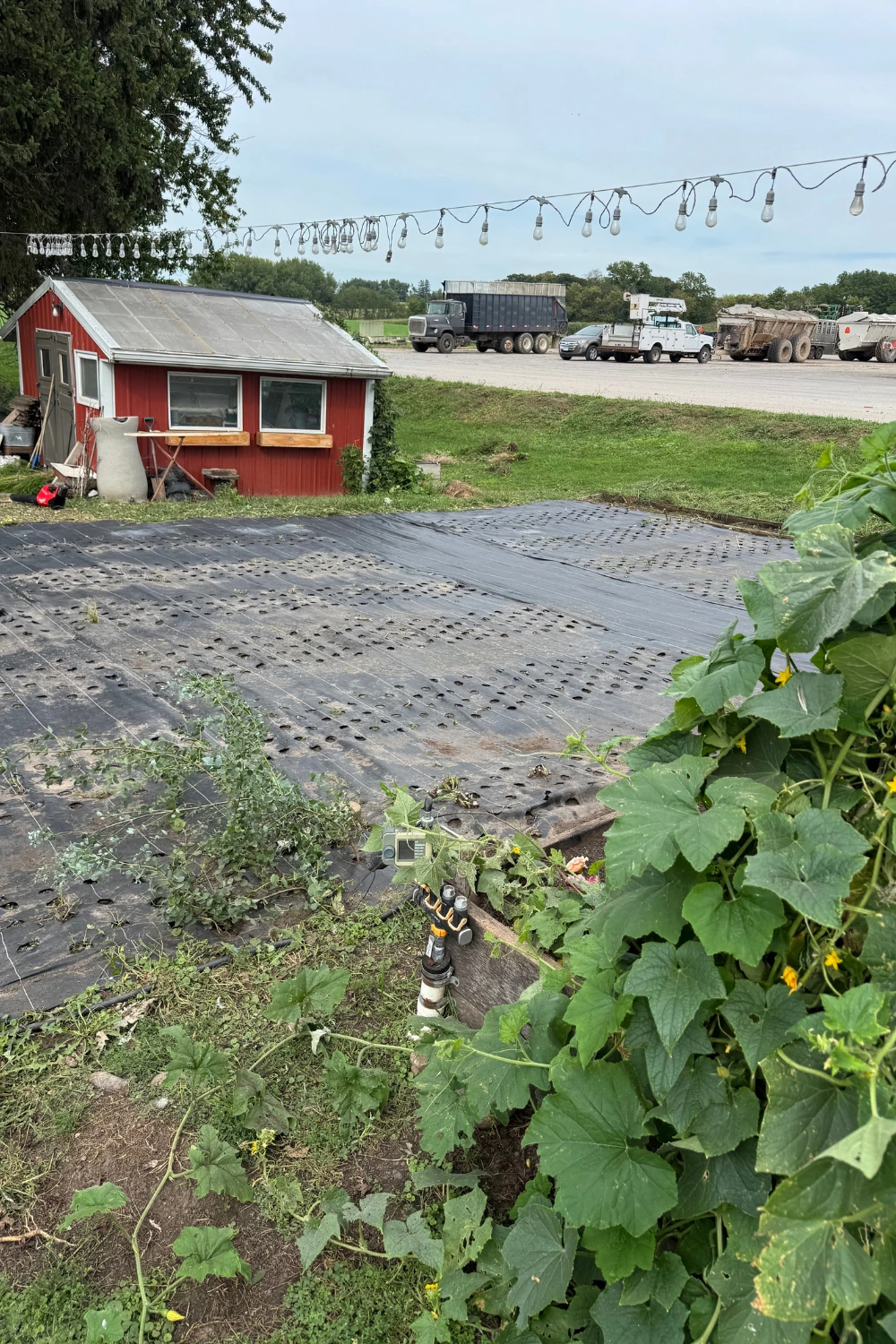
I’ve grown annual cut flowers in this garden for ten years now, and somewhere along the way I’ve learned what I really love about growing flowers—and what I’m not sure I want to spend another summer doing.
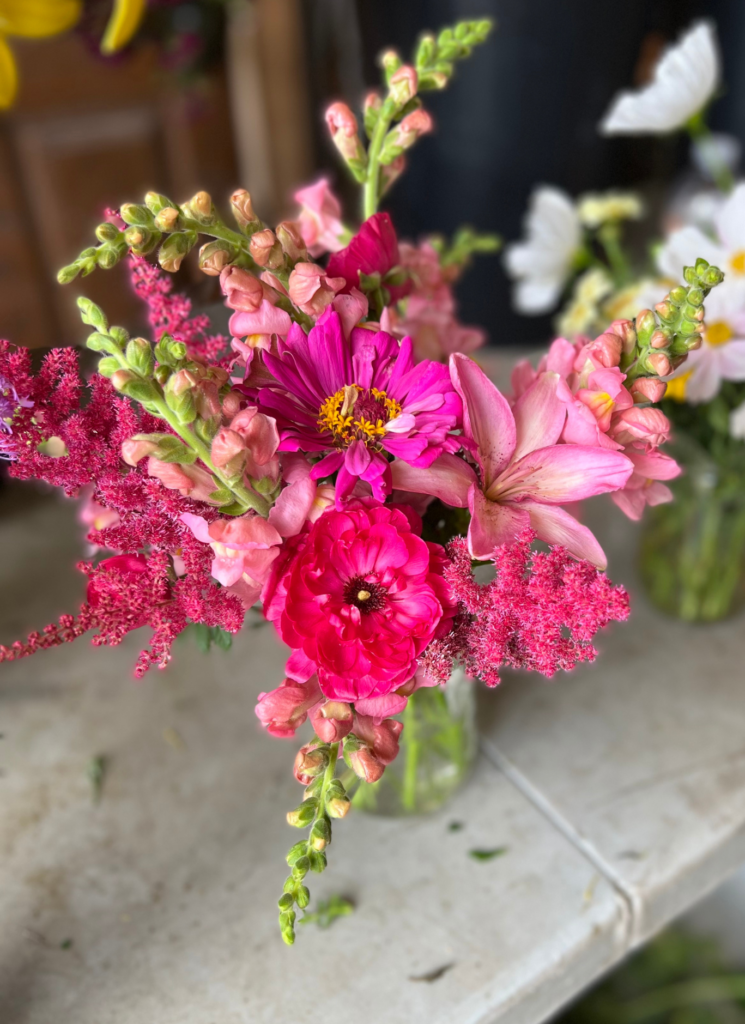
I love walking out the door with a pair of snips and coming back with an armful of flowers.
I love filling jars for the kitchen table.
I love making bouquets for friends and flowers for brides.
I love having enough that I can walk over to a neighbor’s house with a little handful wrapped in whatever happens to be nearby and say, Here. I had extra.
What I don’t love quite as much is spending my entire summer making sure the garden doesn’t fall apart.
And after ten years, I think I’m ready to change that part.
How I’m Rethinking my Cut Flowers for Next Growing Season
Every plant has to carry its own weight
I’ve come to a pretty simple rule about what gets planted around here:
It has to carry its own weight.
That doesn’t necessarily mean a plant needs to produce buckets and buckets of flowers. It just needs to have a job.
Maybe it’s beautiful in a bouquet.
Maybe it has good foliage.
Maybe it dries well.
Maybe it brings an unusual shape or texture that makes an arrangement interesting.
Maybe it blooms early, when there isn’t much else happening.
Or maybe it is simply a plant I love enough to make room for.
But I’m less interested these days in growing something that requires constant babysitting in exchange for a very small window of usefulness.
And this is where I’m starting to rethink the whole annual cut flower model.
Because annuals are wonderful.
They are also needy little things.
You start them. You plant them. You weed them. You water them. You stake them. You cut them. You succession plant them. You worry about them.
And then, just when everything is finally looking fantastic, a summer hail storm comes through and lays half of it flat.
Ask me how I know.
Living on a farm adds another layer to the whole weather-watching business. Around here, the cows have a funny habit of getting out after a good soaking rain.
So while I’m worrying about whether my flower beds are going to survive the storm, I’m also wondering if I’m going to have to go round up the cows.
It’s hard to romanticize the flower garden when you’re standing in six inches of mud wondering where the cattle went.
Also, sometime would like to take a vacation in July
This might be the real reason I’m rethinking the garden.
I would like to take a vacation in the middle of summer.
Not a weekend where I’m home by Sunday night checking the weather and wondering whether everything survived.
An actual vacation.
I would like to leave the garden for a few days without feeling like I’ve left a toddler alone with a box of matches.
Because when your entire flower garden is made up of annuals, summer is the season when everything is happening at once.
The flowers need you.
The weeds need you.
The watering needs you.
The staking needs you.
And the weather is doing whatever it wants.
One big storm can flatten an entire crop you’ve spent months growing.
And sometimes, after the storm, you’ve got more pressing farm business anyway.
I don’t want my garden to require me to stay home all summer just to keep it alive.
I want to be able to leave.
I want to take a few days away with my family, come home, and find that the garden has mostly carried on without me.
That sounds pretty wonderful.
I’m Ready for a Perennial Cutting Garden
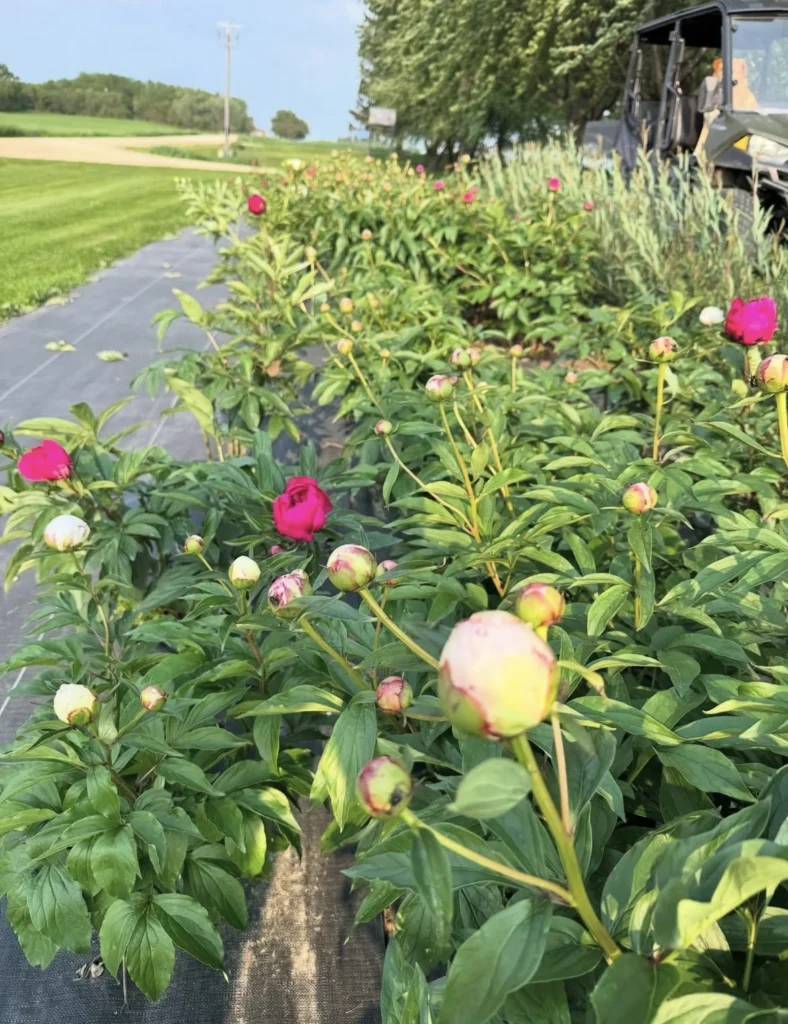
So the plan for next year is to move toward more perennials and fewer annuals.
Not because I don’t like annual flowers.
I’ve grown an awful lot of them, and they’ve taught me a tremendous amount.
But I’m ready for more plants that establish themselves and come back.
More foliage.
More interesting shapes and textures.
More early-season flowers.
More plants that can quietly do their thing while I am doing something else.
And fewer plants that need me to start the whole process over again every spring.
I’m also ready to stop growing flowers simply because everyone says you should grow them.
Dahlias, for example.
They’re beautiful. I will give them that.
But in my experience, dahlias are a pain in my butt.
Most years, they spend what feels like half the summer thinking about whether or not they’re going to bloom. And then, just when I’m good and done with the garden and ready to put my feet up, they finally decide to put on a show.
Lovely.
Very thoughtful of them.
I’ll happily admire someone else’s dahlias.
They don’t need to live in my garden.
I’m ready for flowers that understand the assignment a little earlier.
I want plants that bloom when I need them, contribute something useful to a bouquet, and don’t require quite so much of my attention to get there.
The garden can be a garden, too
Cleaning everything out this weekend gave me something I haven’t had in a long time: perspective.
Without all the plants filling the beds, I could finally see the shape of the garden again.
The paths.
The empty spaces.
The places that worked beautifully.
The places that didn’t.
And instead of immediately thinking, What should I plant here? I started thinking, What could this become?
Maybe there will be fewer beds.
Maybe there will be more perennial flowers woven throughout.
Maybe there will be more foliage and unusual plants that make bouquets interesting without requiring an entire row devoted to them.
Maybe there will even be a place to sit.
Because after ten years of asking this garden to produce, I’m realizing I don’t need every square foot to earn its keep in flowers.
I want it to be a beautiful place to spend time, too.
A place where I can sit with a cup of coffee.
A place where the kids can wander through.
A place where someone can come over and we can sit in the garden instead of me handing them a bouquet and immediately going back to work.
I want abundance, but I don’t necessarily want production.
There’s a difference.
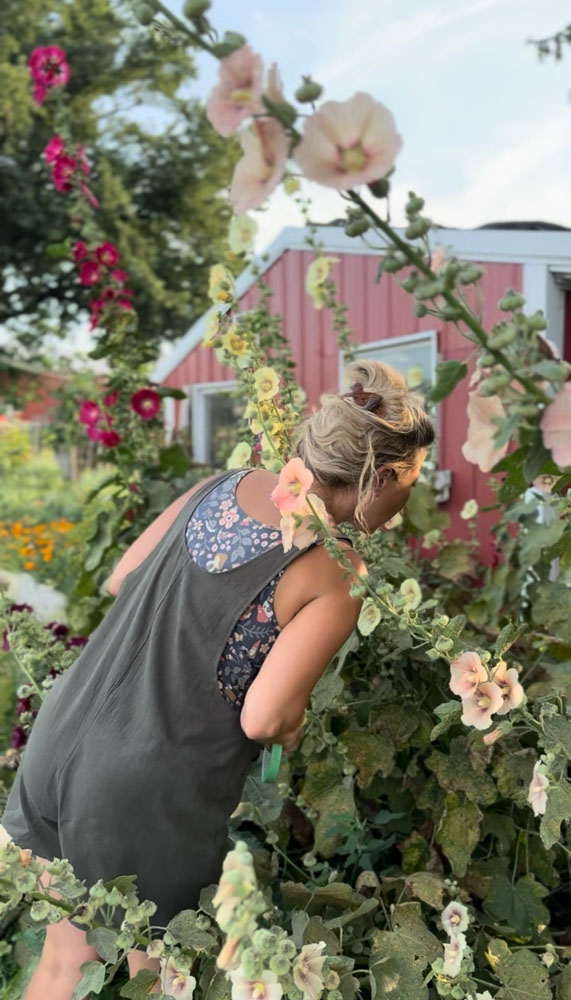
The garden has given me plenty over the years. More flowers than I ever imagined when I started it. More bouquets, more lessons, more muddy shoes and more evenings standing in the kitchen with flowers spread across the counter than I could count.
Now I’m ready for it to give me something else, too.
A little more freedom.
A little less work.
And maybe a few more days in the summer where I can pack a bag, leave the farm, and not spend the entire drive wondering what the weather is doing to my flowers—or whether the cows are still where they’re supposed to be.
That’s what I’m dreaming about for this next version of the cut flower garden.
More plants that come back.
More flowers that earn their place.
More beauty.
Less babysitting.
And a garden that gives more than it takes.
Gathering Season Reads
- DIY Flower and Herb Drying Rack
- 3 Ingredient Dry Apple Tea
- Pumpkin Spice Dough Bites
- Ice Cream Bucket Pickles
Pin for Later!

Affiliate Disclosure & Content Disclaimer
This post may contain affiliate links from a paid sponsor, Amazon or other program. When you use these links to make a purchase I earn a small commission at no extra cost to you. This allows me to continue creating the content that you love. The content in this article is created for information only and based on my research and/or opinion.
Emily T.


DAILY INSPIRATION ON THE GRAM @hearty.sol
it's hip to be square!
View comments
+ Leave a comment