

The Quiet Home Reset: 7 Small Winter Shifts that Make Your Home Feel Better
Let’s take a moment to shift the focus off of ourselves and onto our home, making the new year just as much about the habits you want to create as the space you have to create them.

Taking a Pause to Reflect
The Christmas tree is taken down and the new gifts have all found their new spots… or maybe they haven’t?
January is a good month to pay attention to your space.
Winter has a way of revealing what’s been too loud for too long—especially when we’re spending more time indoors. In this time, we are invited to listen to the season.
Not in a dramatic, life-altering way. More like a low hum. The overhead light that suddenly feels harsh at noon. The counter that never quite clears. The sense that everything in the house is asking something of us at once. All this can cause chaos and anxiety without being able to identify why.
I don’t think this season is asking for reinvention. I think it’s asking for less input.

Creating a Quiet, Liveable Space
This quiet home reset isn’t a reset that requires a list, or a personality overhaul. It’s quieter than that. These are small shifts—ten minutes or less—that help a home feel steadier in winter. Not by adding more, but by asking less.
1. Remove One Thing That Interrupts Calm
When the landscape outside goes still, what remains inside becomes more noticeable. Now that the house is quieter and snow lies in blankets outside the window, I start to notice rhythms in the house that I haven’t in a while, probably since this time last year.
I usually start by noticing what interrupts calm more than it should:
- a buzzing appliance
- a notification sound
- a decorative object that doesn’t serve a purpose
When I remove just one of those things—unplug it, mute it, put it away—the room feels different almost immediately.
This isn’t minimalism. It’s awareness.
2. Warm One Surface
Homes don’t always feel cold in winter because of the temperature. Often, it’s texture.
I try to warm one surface at a time:
- a basket where clutter collects
- we love our little electric fireplace in the corner. It draws everyone toward it.
- a wool throw on the chair that gets used daily
- placing a soft sheepskin rug in an area that feels like warmth might be missing
- moving a few pieces of decor back up from storage if your post-Christmas living space is feeling a bit too empty
I’m not interested in decor for decor’s sake. I care about materials that earn their place—by being useful, durable, and grounding to touch.
Texture changes how a room feels without changing how it functions.

3. Return One Tool to Its Proper Home
Tools create friction when they don’t live where they’re used.
I pick one:
- the bread knife
- the scissors
- the phone charger
- the broom
And I give it a real home—one that makes sense and doesn’t leave me rummaging through the cabinets when I forgot where I threw it last time.
Things should earn their space by being easy to reach and easy to return. When tools live well, the house feels calmer without being “tidy.”
4. Change the Light, Not the Room
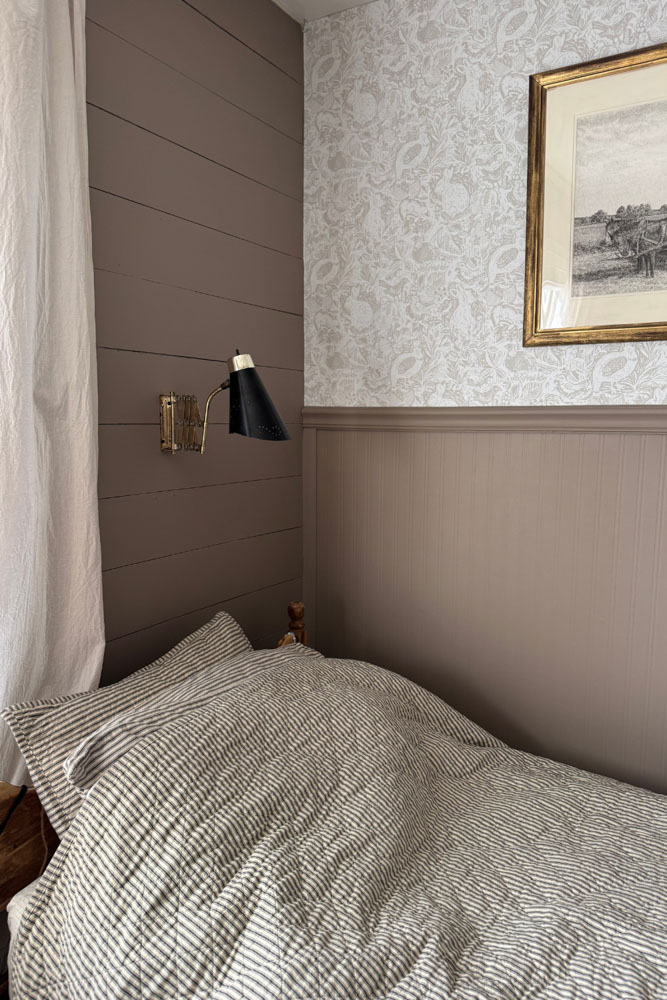
Overhead lights work hard all summer. In winter, they often feel wrong, especially when the sun is still setting before 6pm, leaving our indoor spaces wrapped in darkness. In these times we look for a soft light to shine, not ones that spotlight the entire room.
Before repainting or rearranging, I turn off the ceiling lights and rely on lamps. Every winter after taking the tree down, we add these mini white lights that I’ve had for years to a few windows, setting them on a timer to turn on when we wake up and off at bedtime.
This is also a good time to re-evaluate the light that the bedrooms are getting – we tend to underestimate how much light affects our nervous system. Winter light should glow, not glare. Last year I put up vintage sconces in our kids’ room that act as reading lights above their beds.
This one shift alone, working to make your home feel softer, can change how a home feels in the afternoon and evening.
5. Choose One Daily Anchor
Winter benefits from anchors—small moments that mark the day without demanding productivity.
In our home, it might be:
- slicing bread in the morning
- filling the kettle in the afternoon
- turning on soft music before I start working
- lighting a candle before dinner
- dimming the lights at the same time each evening
These moments don’t optimize life. They steady it.
The body relaxes when it knows what comes next.
6. Let One Thing Be Small
I don’t do well with unfinished things. They sit in my mind and quietly pull at my attention.
What I do accomplish well is choosing a smaller version of a task—and finishing it completely.
One drawer instead of the whole room.
One shelf instead of the entire pantry.
One wall instead of the whole house.
Winter doesn’t ask me to stop finishing things. It asks me to stop expanding them.
There’s a difference between rest and avoidance, and for me, rest comes from closure. From putting the tool away. From ending a task where I said I would.
Small, finished things create more calm than large, lingering ones ever could.
7. Ask Less of One Thing
This may be the most useful shift of all—and yes, I’m talking to myself here too.
I ask less of one thing: my house, my children, or myself. Not forever. Just for this season.
Winter isn’t for optimizing systems or becoming someone new. It’s for tending—slowly, deliberately, without excess input.
Homes don’t always need improvement. Sometimes they need gentler attention.
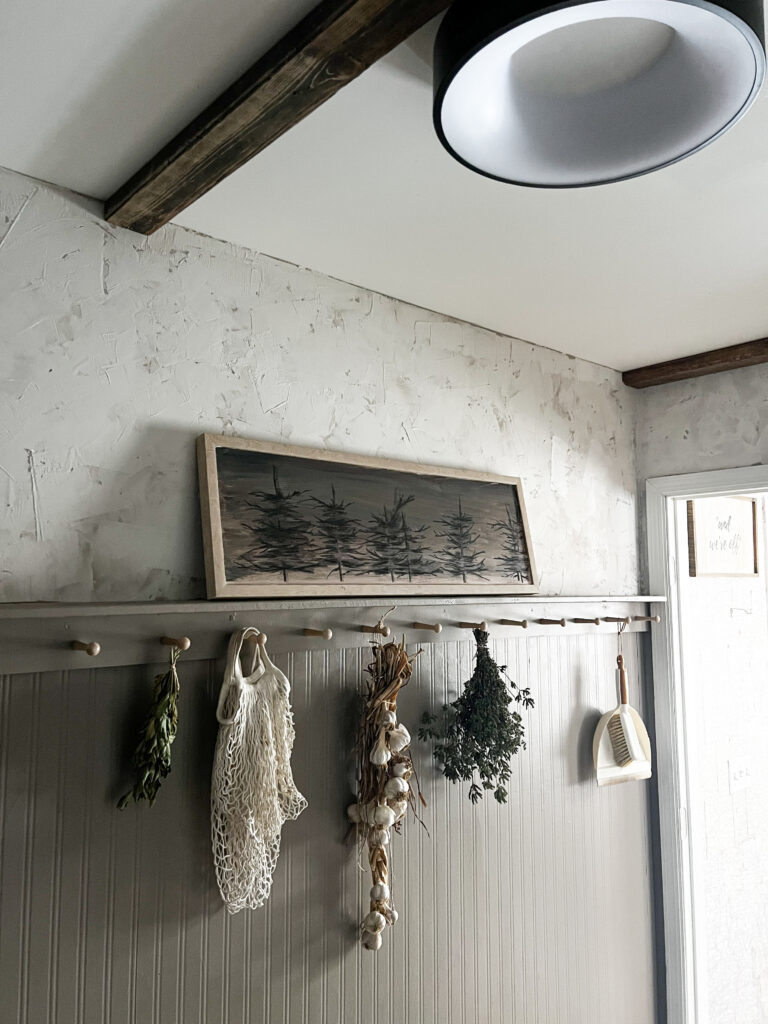
And once you’ve done the home reset…
In my experience, I need to let winter be quiet and stay quiet.
In the same way a table spread full of seed packets might inspire a new addition to the garden in the spring or hearing the sound of our geese tromping around the yard may spark a new coop project in the summer (spoiler: it did!) the quiet peace of winter is just what I need for reflection and preparation for the year ahead.
The state of the house matters and once the house is in order (per the season), then I can begin to entertain habits and ways I can implement beneficial practices into my life and the life of my family.
Closing Thoughts
If a home feels heavier than usual, it may not need fixing. It may need fewer demands placed on it. A quiet home reset.
Winter asks us to settle.
To listen more closely.
To let what matters surface naturally—without noise.
I start small. I start quiet.
The rest tends to follow.
Pin for Later

More ways to lean into Winter
Preparing your home for the cold months
The benefits of contrast therapy

Affiliate Disclosure & Content Disclaimer
This post may contain affiliate links from a paid sponsor, Amazon or other program. When you use these links to make a purchase I earn a small commission at no extra cost to you. This allows me to continue creating the content that you love. The content in this article is created for information only and based on my research and/or opinion.
Emily T.



DAILY INSPIRATION ON THE GRAM @hearty.sol
it's hip to be square!
View comments
+ Leave a comment